← The MorganOsprey PointThe Houses →
Osprey Point on Trapps Pond · Edgartown

The Story of Osprey Point

Why this quiet corner of the Vineyard carries a new name.

The Film

Osprey Point — The Collection

Four private waterfront estates on Trapps Pond, Edgartown.

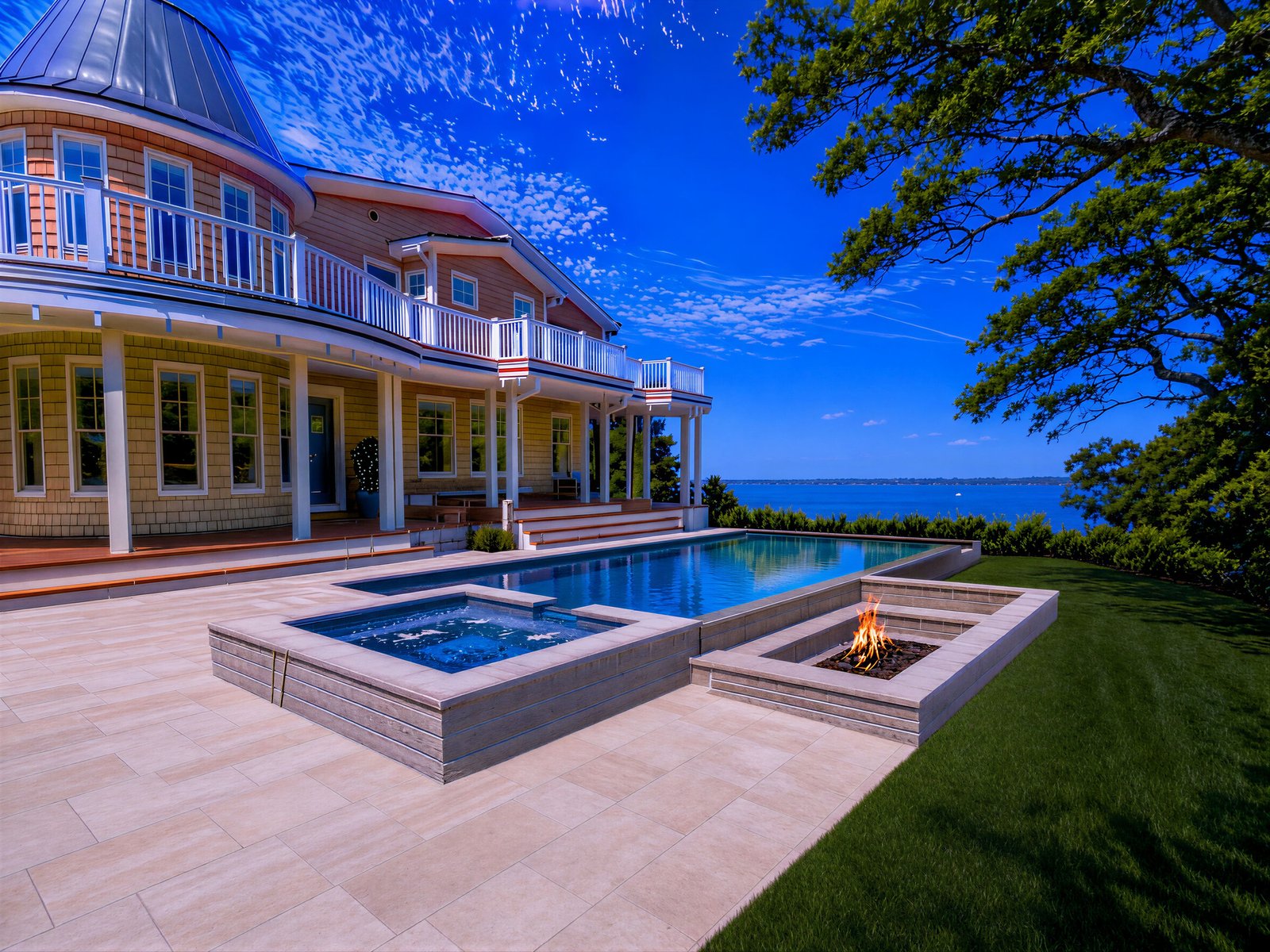
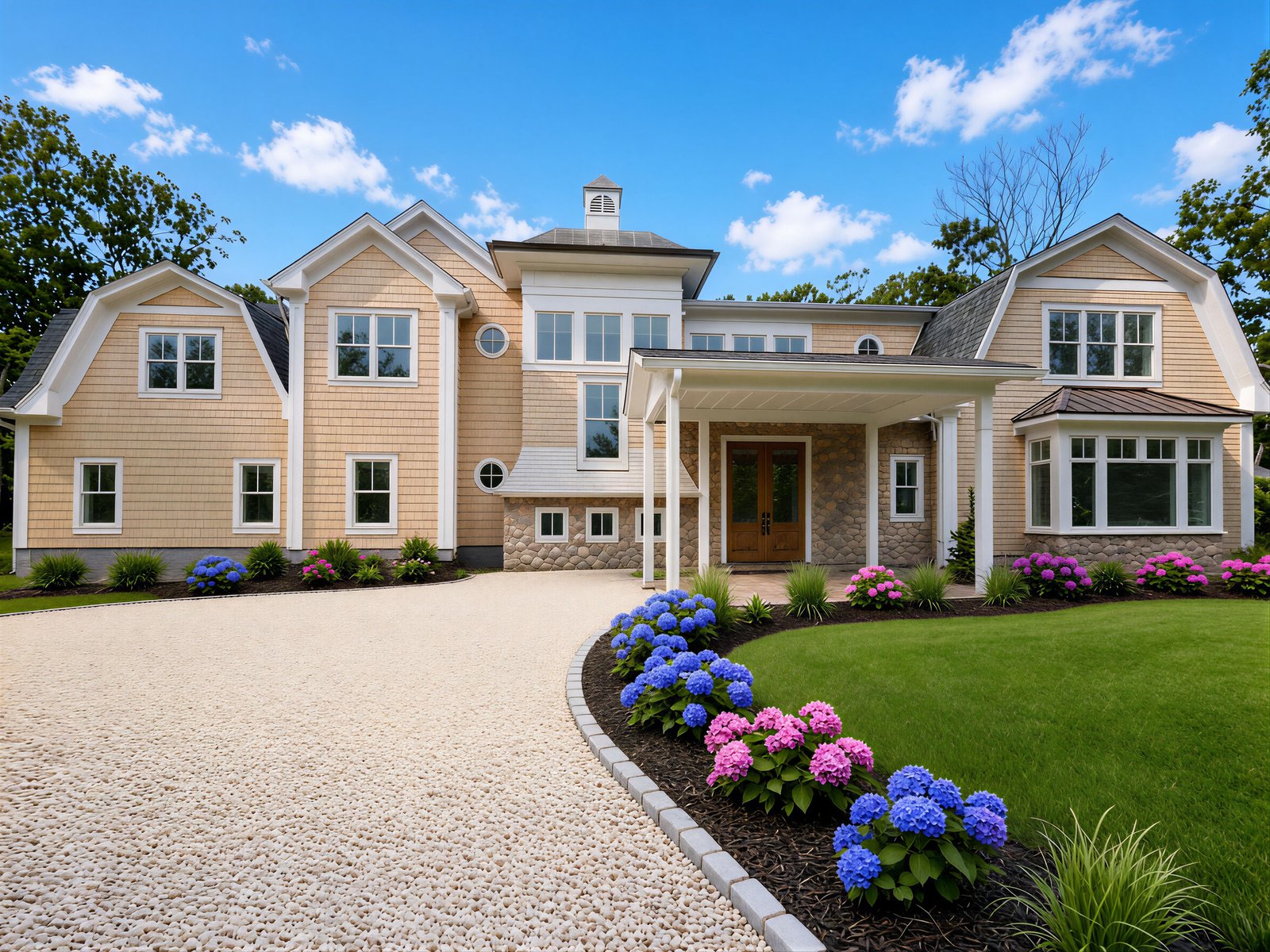
Four Estates, One Vision

One enclave, four houses, built to a single standard and named for the island that shaped them.

Spanning more than 12 acres along Trapps Pond — two waterfront lots, two inner lots, and two common parcels — with a private bird sanctuary carved into its heart, a permanent buffer of protected land between the homes and the world.

The First Move

Martha's Vineyard does not build new neighborhoods anymore. Most of the island is permanently conserved; what remains changes hands quietly, one legacy home at a time. A new waterfront enclave — four estates, built to one standard, on protected water, in town — is something the Vineyard has not offered in a generation, and may never offer again.

Osprey Point is being shown quietly, ahead of the broader market. When word gets out, these houses will move the way rare things on this island always have — quickly, and to the people who arrived first. This is that window. One buyer can take a single estate. A family, a partnership, or a circle of friends could take the point itself — a private compound of neighbors you choose, on water no one else will ever build on.

~96 mi²The whole island — much of it conserved forever
4Estates on the point · then no more
9 → 14$7M+ island sales, in a single year*
FirstThe only position that matters here

*Recent comparable Vineyard sales, shown as market context — not an appraisal of any home's value and not a representation or guarantee of returns. This is an offering of real property, not a security. Availability and pricing subject to change.

The Land That Was Quiet

For years, this was simply "Trapps Pond" — a corner of Edgartown that few could even place, though it sits minutes from State Beach, the bike path, and the heart of downtown.

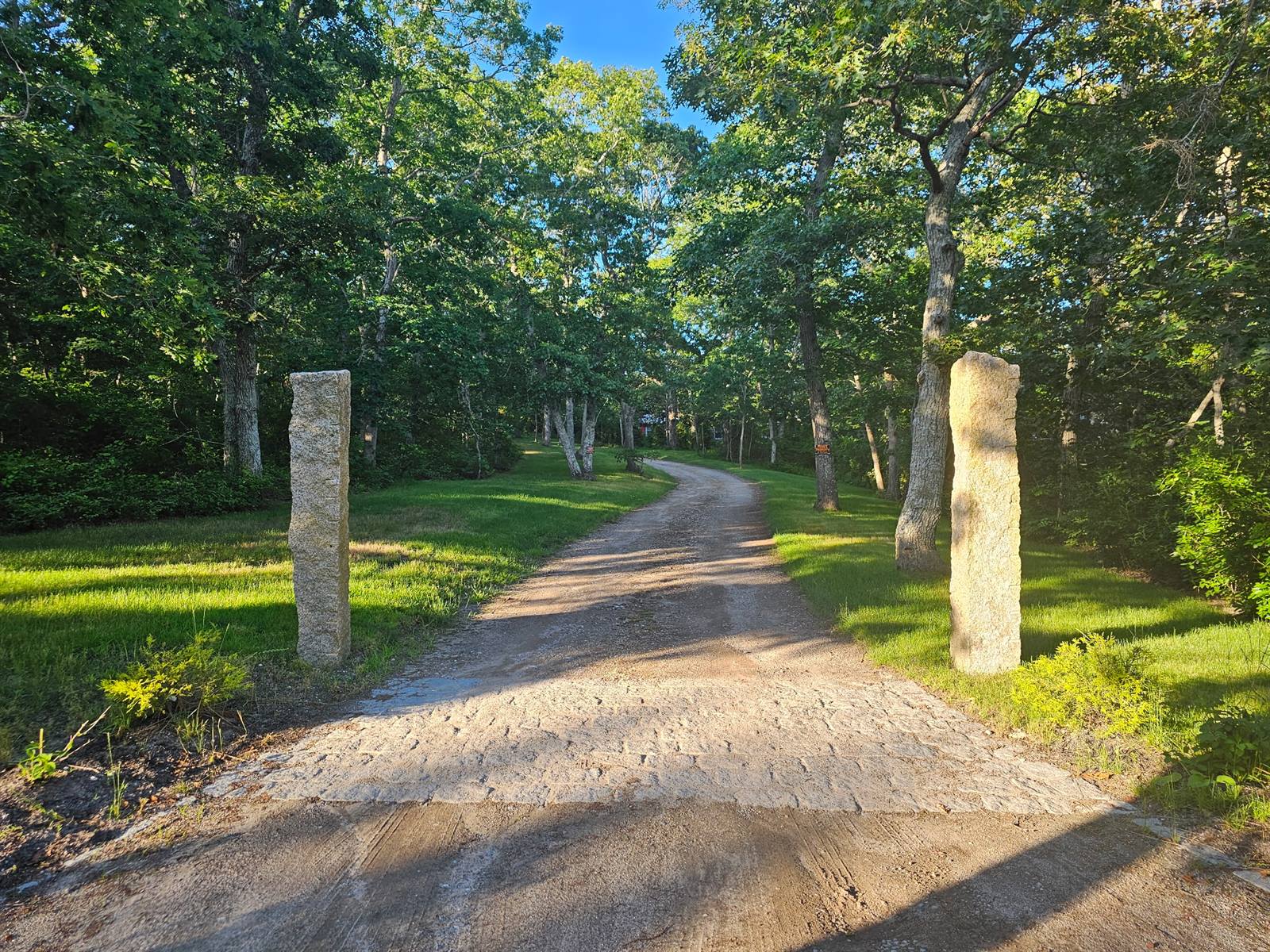
The granite pillars at the entrance to Osprey Point, the lane curving away through the oaks
The entrance — granite pillars, and a lane that disappears into the oaks.

For generations it was one family's land, held quietly, with a single house upon it. It abuts Cow Bay and the Edgartown Golf Club, yet it never made a sound — a rare, in-town piece of the island that the world simply overlooked. We saw something else in it: the chance to build a private enclave nestled in town, wrapped in protected open land, where you can walk to the village, ride to the beach, and still hear nothing but the water and the birds.

Trapps Pond, the entrance, and the estates that share it.
The Secret Keys Collection

Osprey Point is the secret lock on a private enclave — and each of its four estates is one of the keys that opens it.

This is a one-of-a-kind address on the island: four architect-built estates, planned as a single, methodical vision rather than four separate lots, set on protected land at the water's edge. It sits inside the same private shoreline as Cow Bay, an in-town corner of Edgartown that has long drawn the island's most discreet buyers — and Osprey Point sits deeper still, set back further from the road, its waters and grounds its own.

And it is minutes, not miles, from the village — walk to town, ride to State Beach, and slip back through the chain at the gate. Extremely private, yet able to blend in, in a way only in-town Edgartown allows.

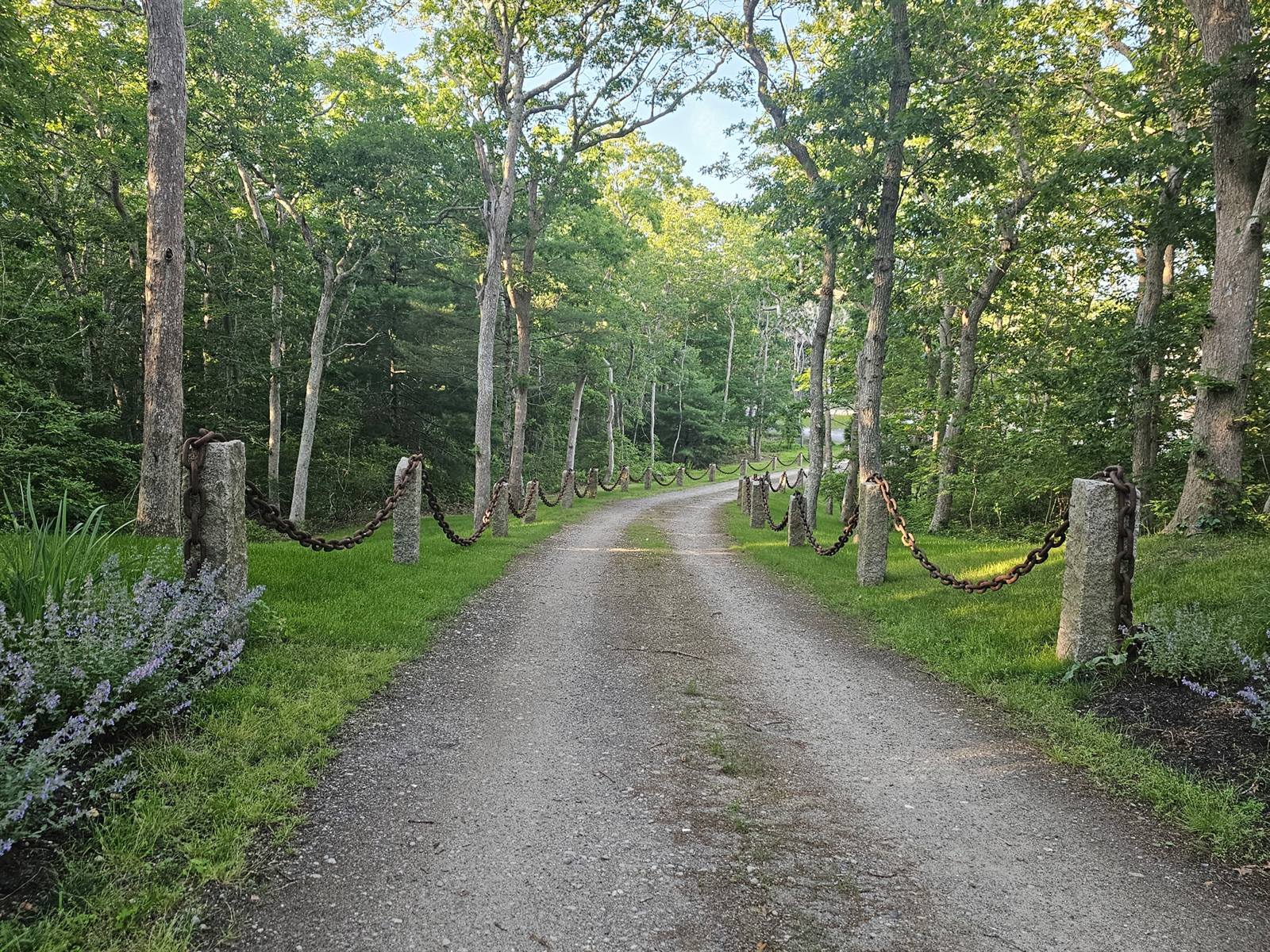
Granite pillars and old ship's chain at the entrance to Osprey Point
Granite pillars and hand-set chain — the entrance to the enclave.
The Captains of Edgartown

Long before Osprey Point, Edgartown was a whaling capital — and its captains built the grandest houses in New England.

In the mid-1800s, this small harbor town commanded one of the largest whaling fleets on the Eastern Seaboard. Ships left for voyages of two, three, sometimes four years at a stretch, rounding Cape Horn for the Pacific and coming home, if they came home at all, with holds full of oil. The captains who commanded them built their houses in a row along North Water Street — white Greek Revival mansions with widow's walks on the roof, still called Captain's Row today. Legend holds that each front door was painted a different color, so a captain, still miles out at sea, could pick out his own house from the harbor — and his wife, pacing the widow's walk above it, would know he was home.

1841

It's a tradition Osprey Point carries forward, one house at a time. The Morgan takes its name from the Charles W. Morgan — the last wooden whaleship in America, and the only one to outlast them all, sailing thirty-seven voyages around the globe and always coming home. The Norton honors Captain Thomas Adams Norton, her first master, who left this island in 1841 and returned safely from every voyage he ever commanded. And The Mayhew reaches back further still — to the founder of Edgartown himself, whose settlement at Great Harbour in 1642 became the island's first town.

Three houses, three hundred years of one island's history — built back into the ground it came from.

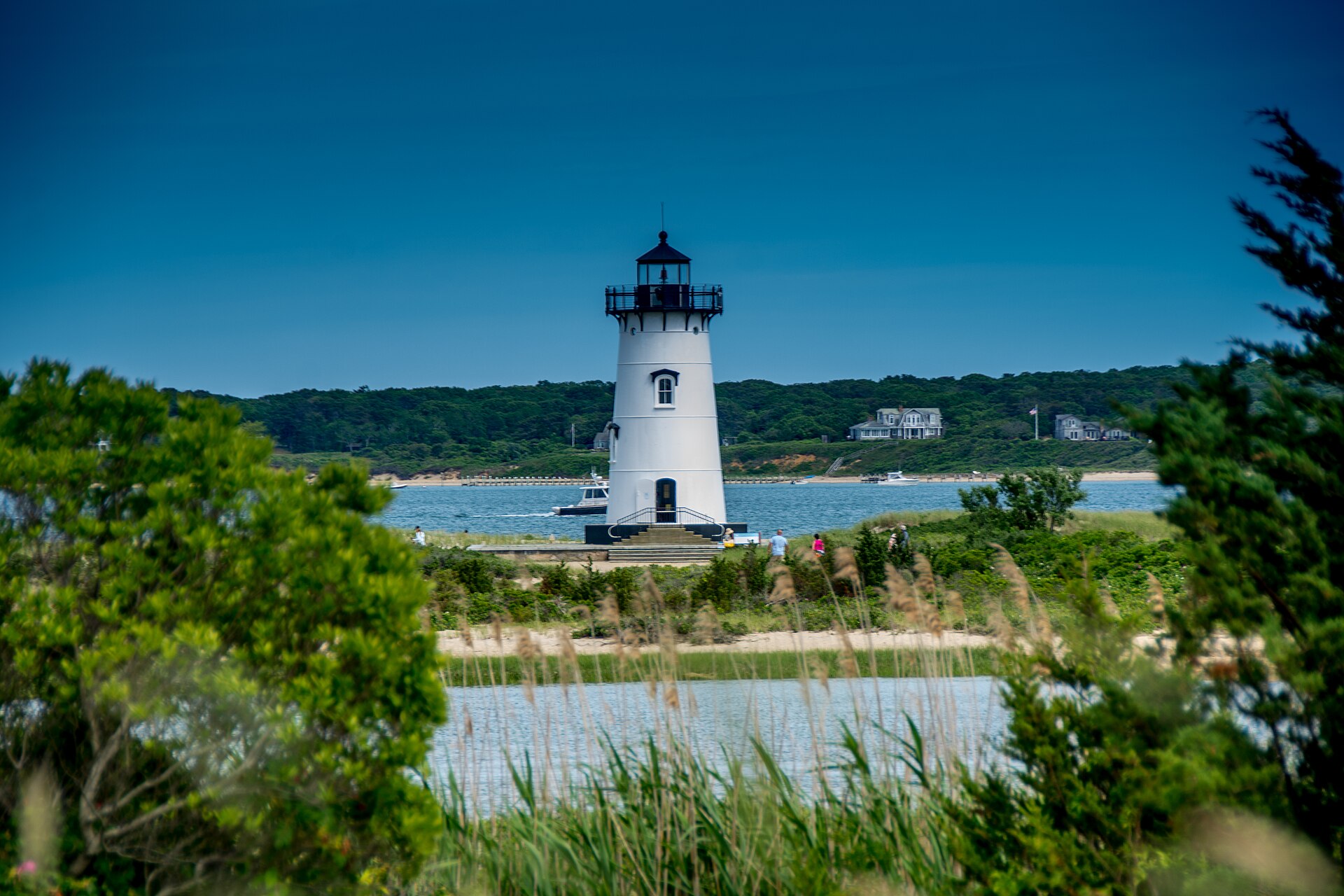
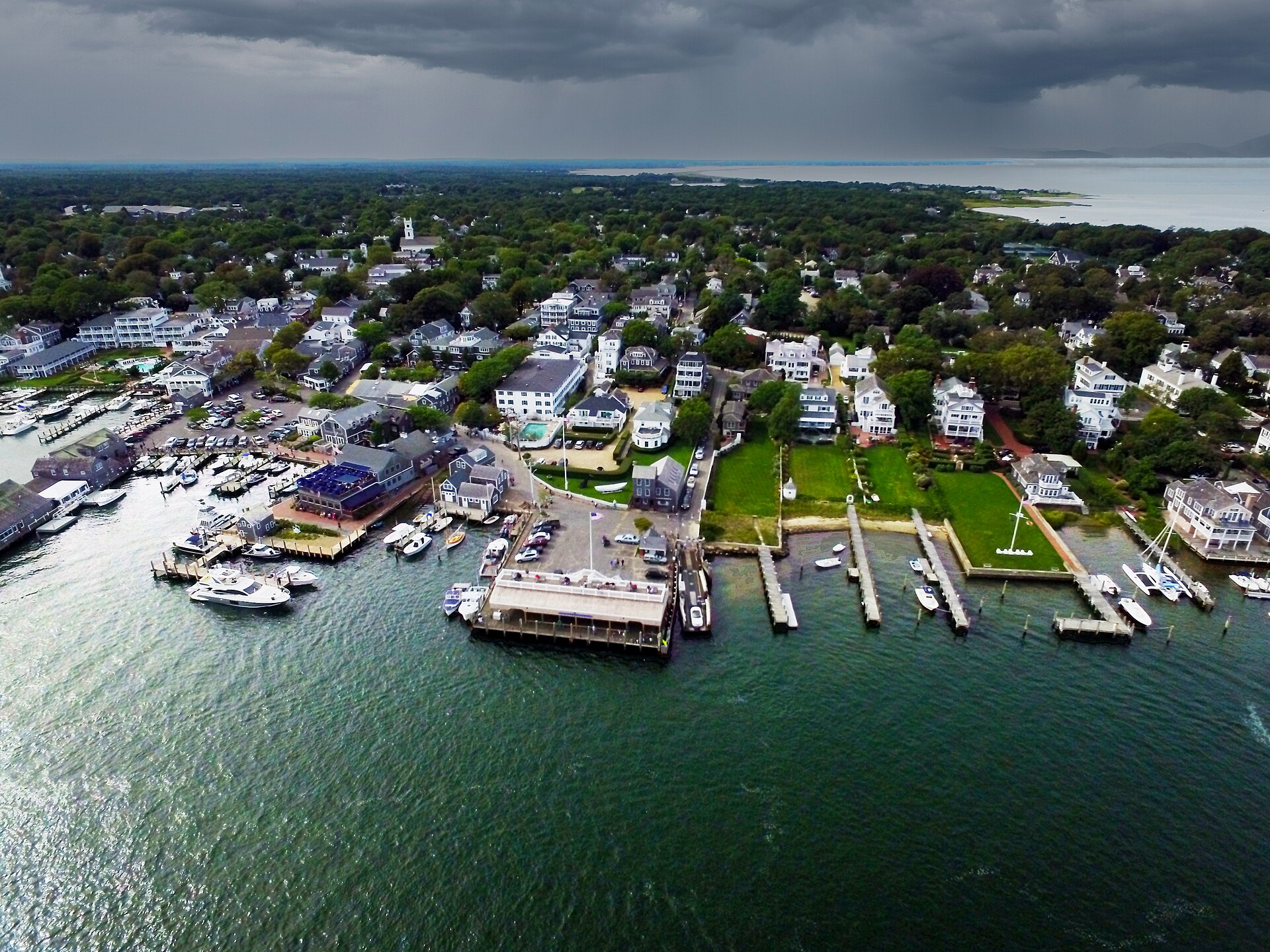
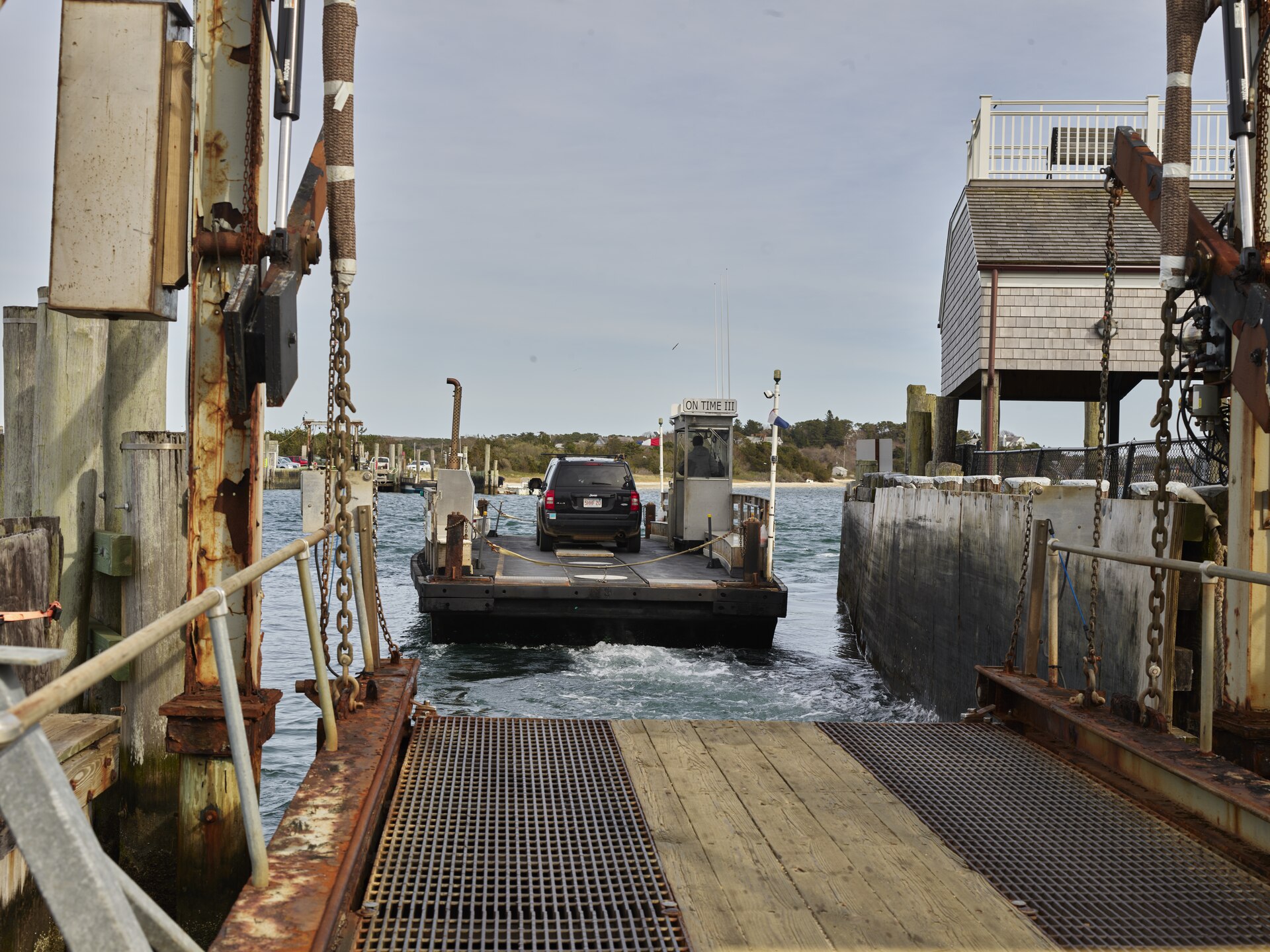
That town is still here, five minutes down the road: the white clapboard and weathered shingle of Captain's Row, the Edgartown Light standing over the harbor entrance, the little Chappy Ferry crossing on demand, and a harbor that fills with sail each summer.
The Edgartown Light at the harbor entrance
Edgartown Harbor from the air, docks and sail
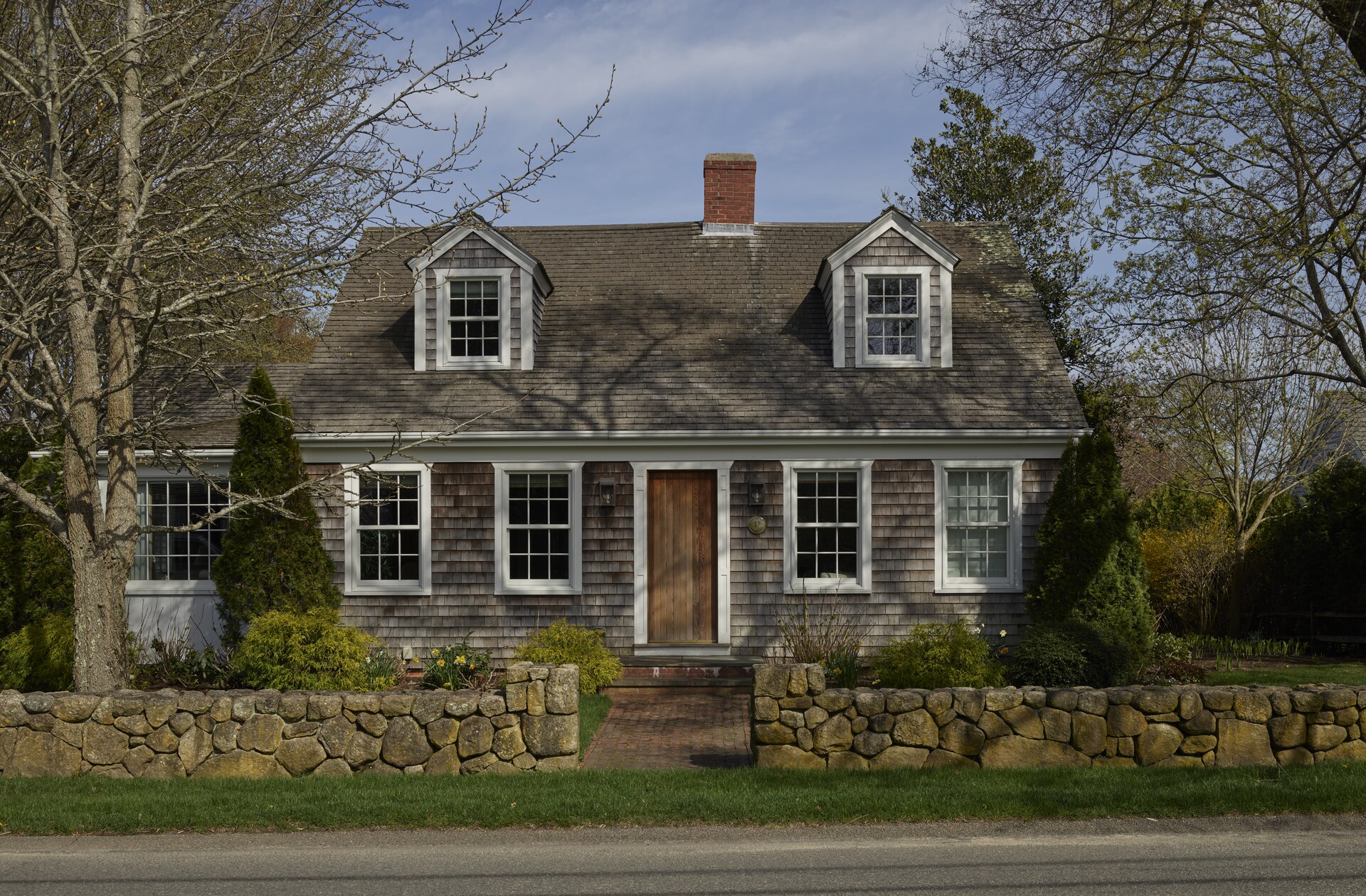
A classic wood-shingled Edgartown house behind its stone wall
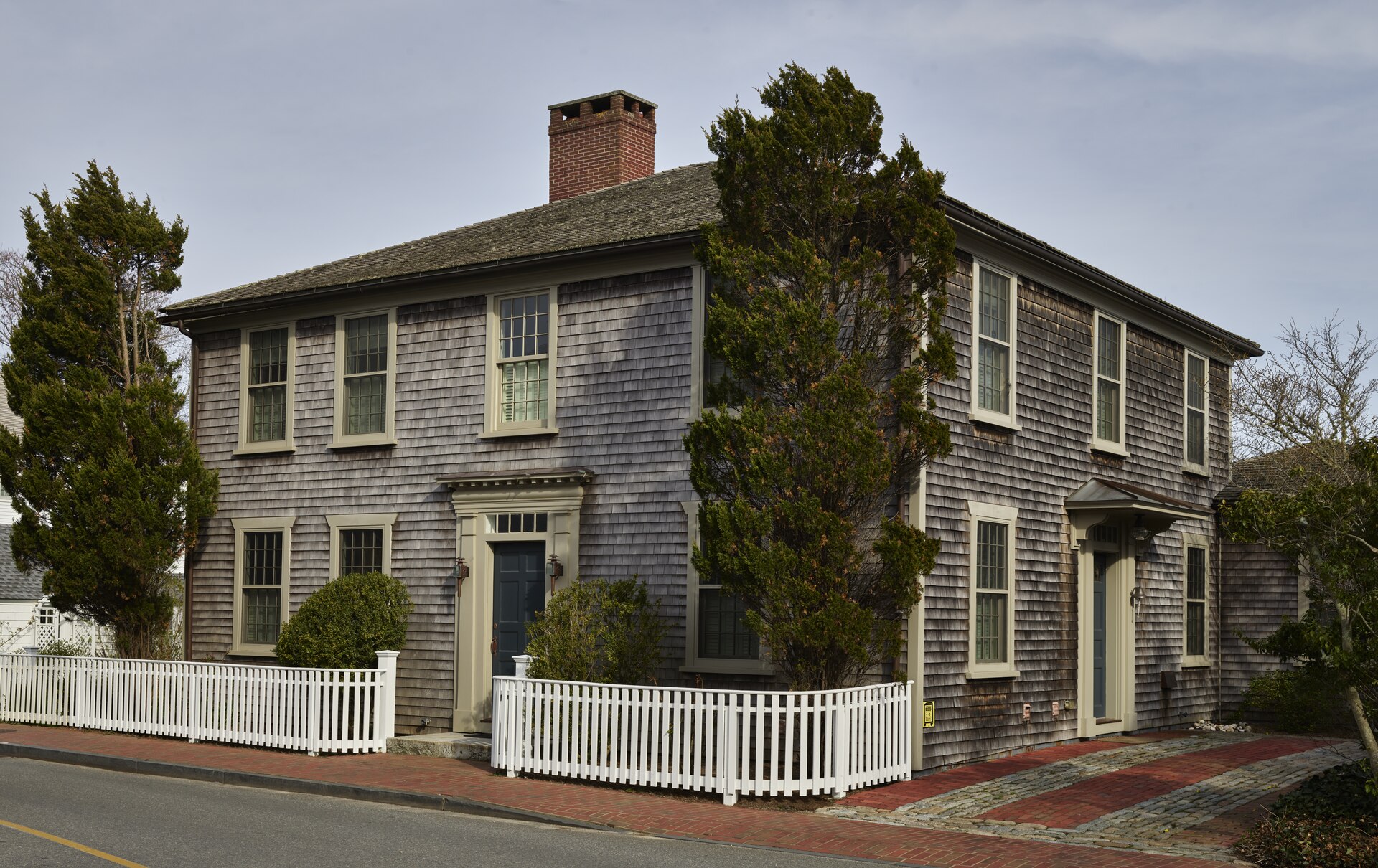
A shingled village home behind a white picket fence, Edgartown
The Chappy Ferry departing Edgartown for Chappaquiddick
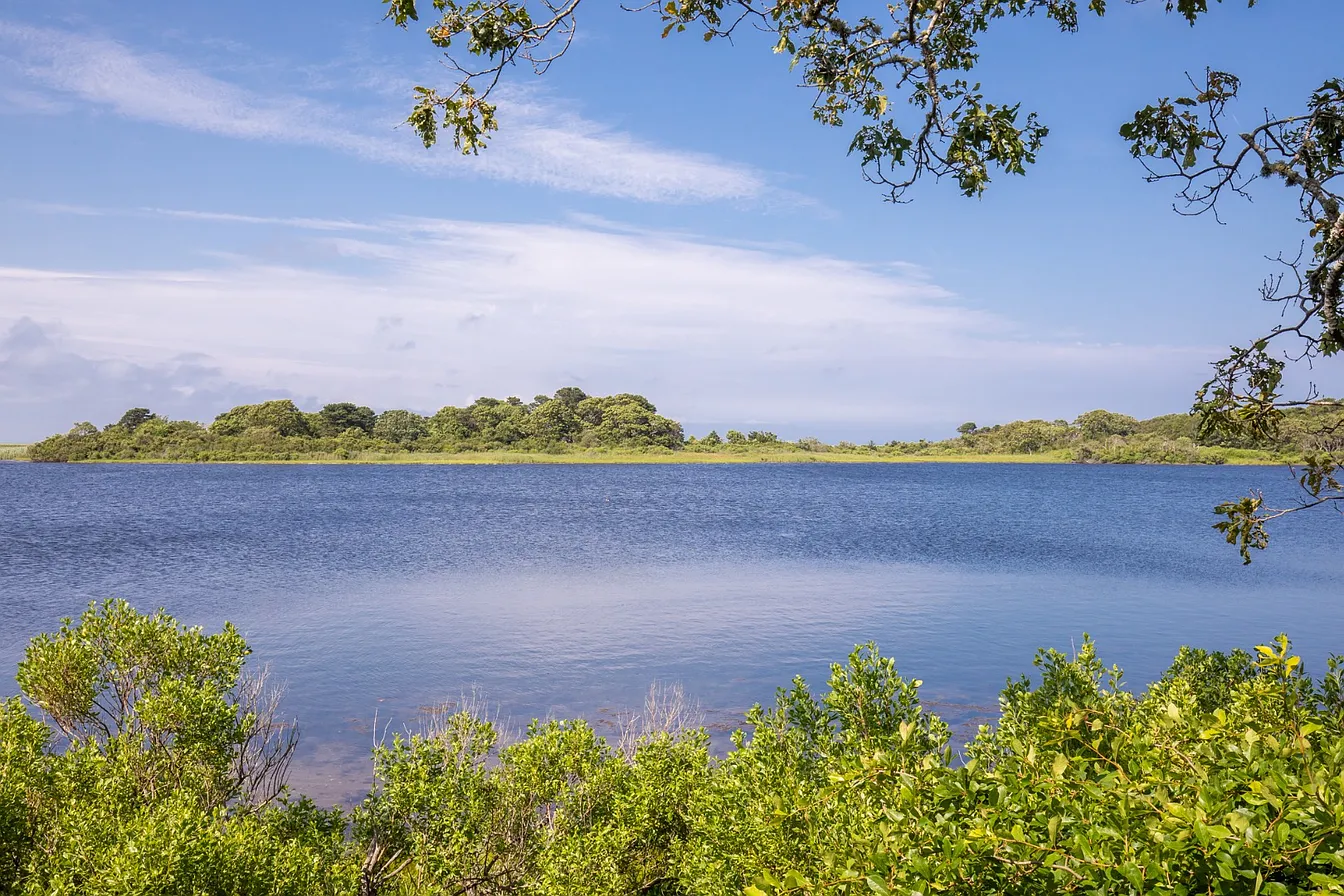
The still water of Trapps Pond
A New Name, For What Lives Here

We did not rename this land to erase its past. We renamed it for what actually lives here.

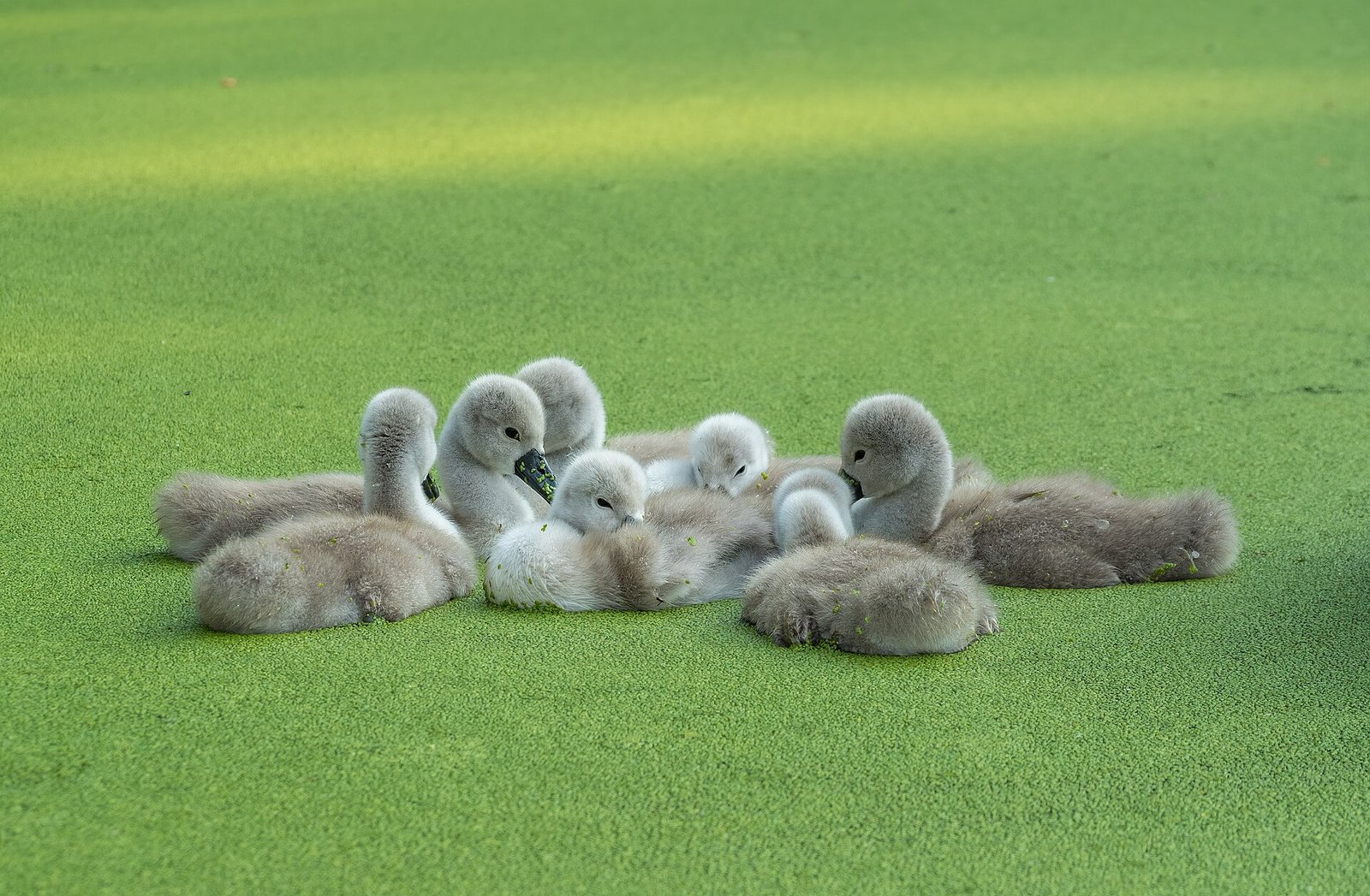
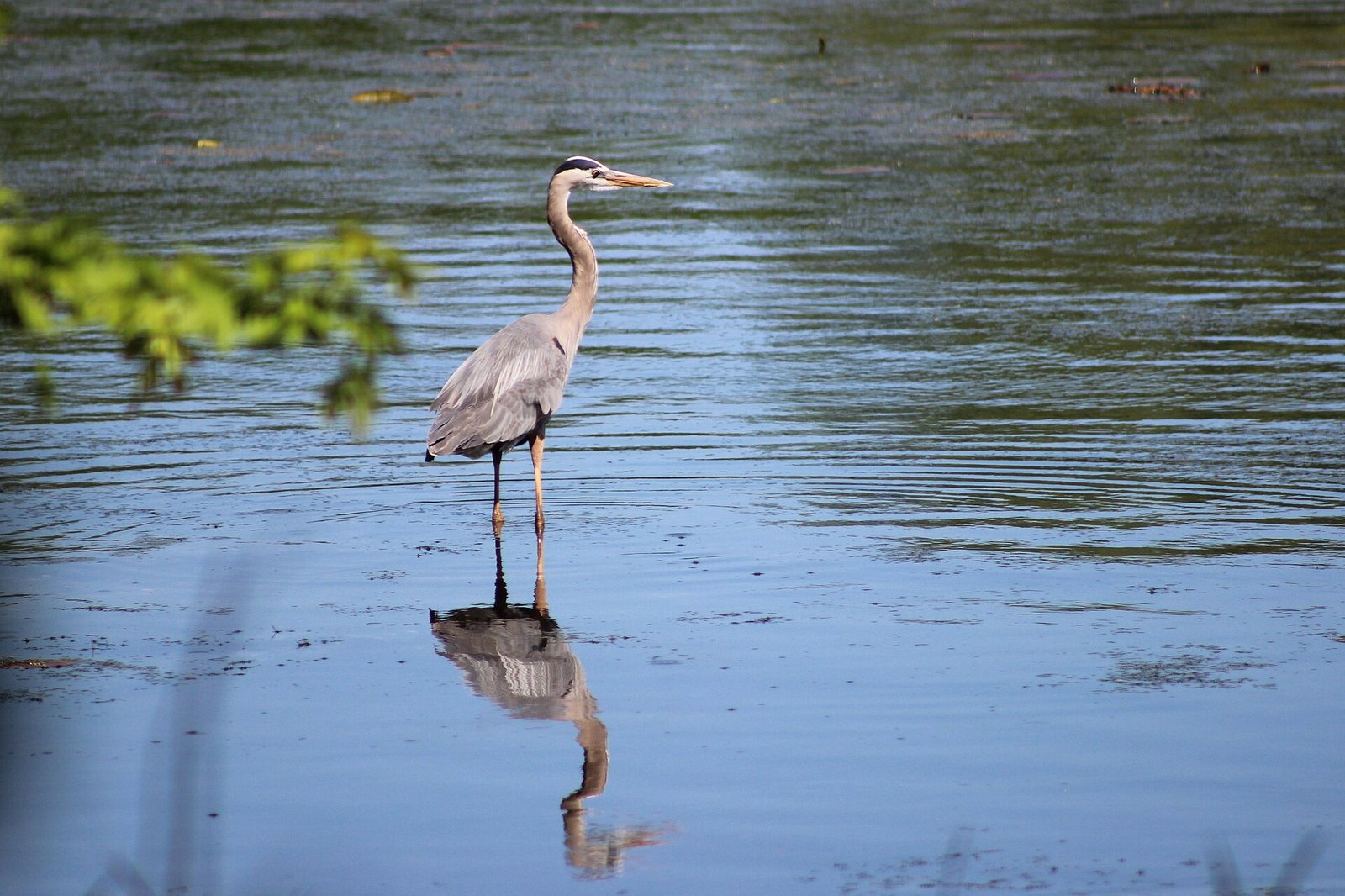
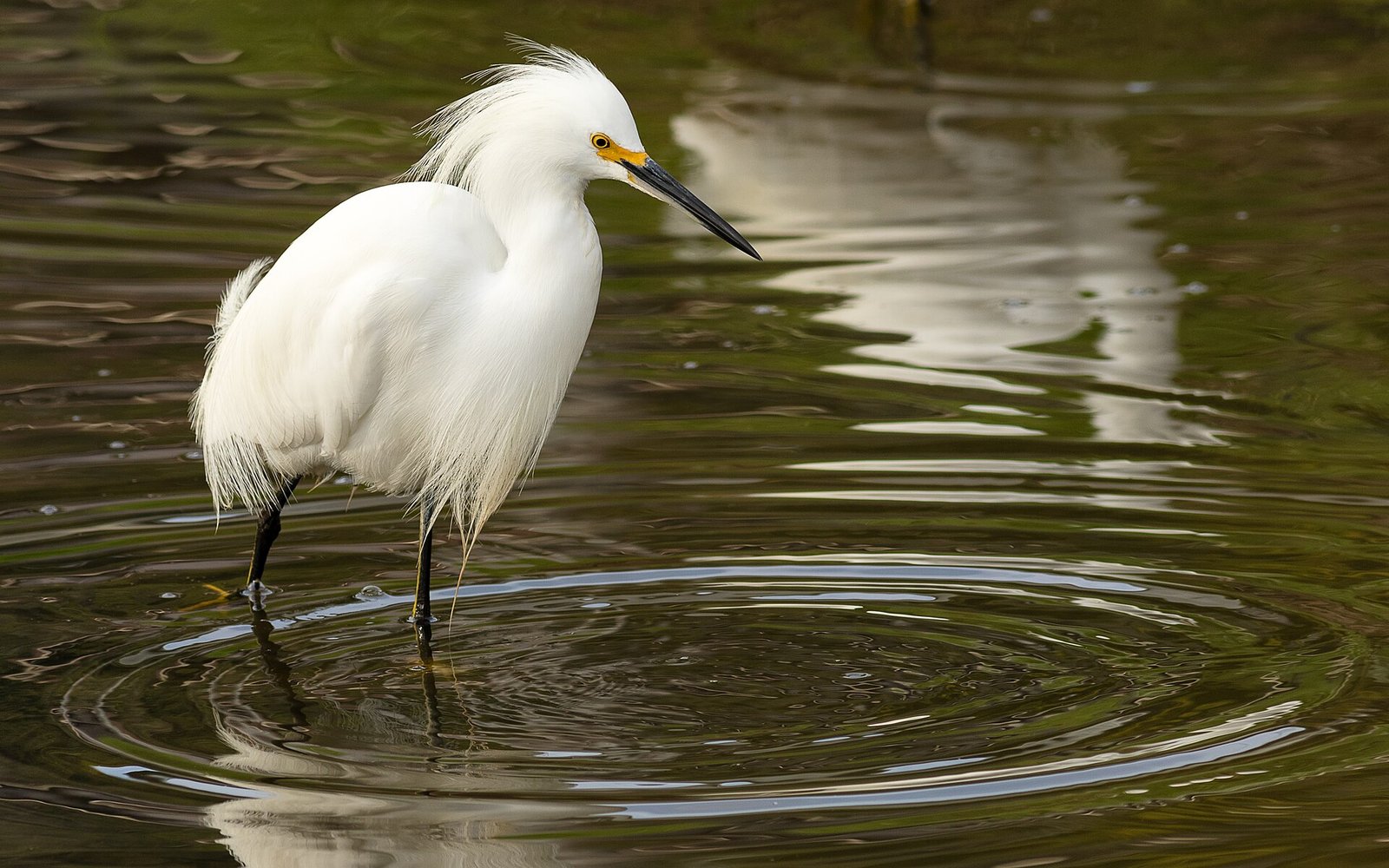
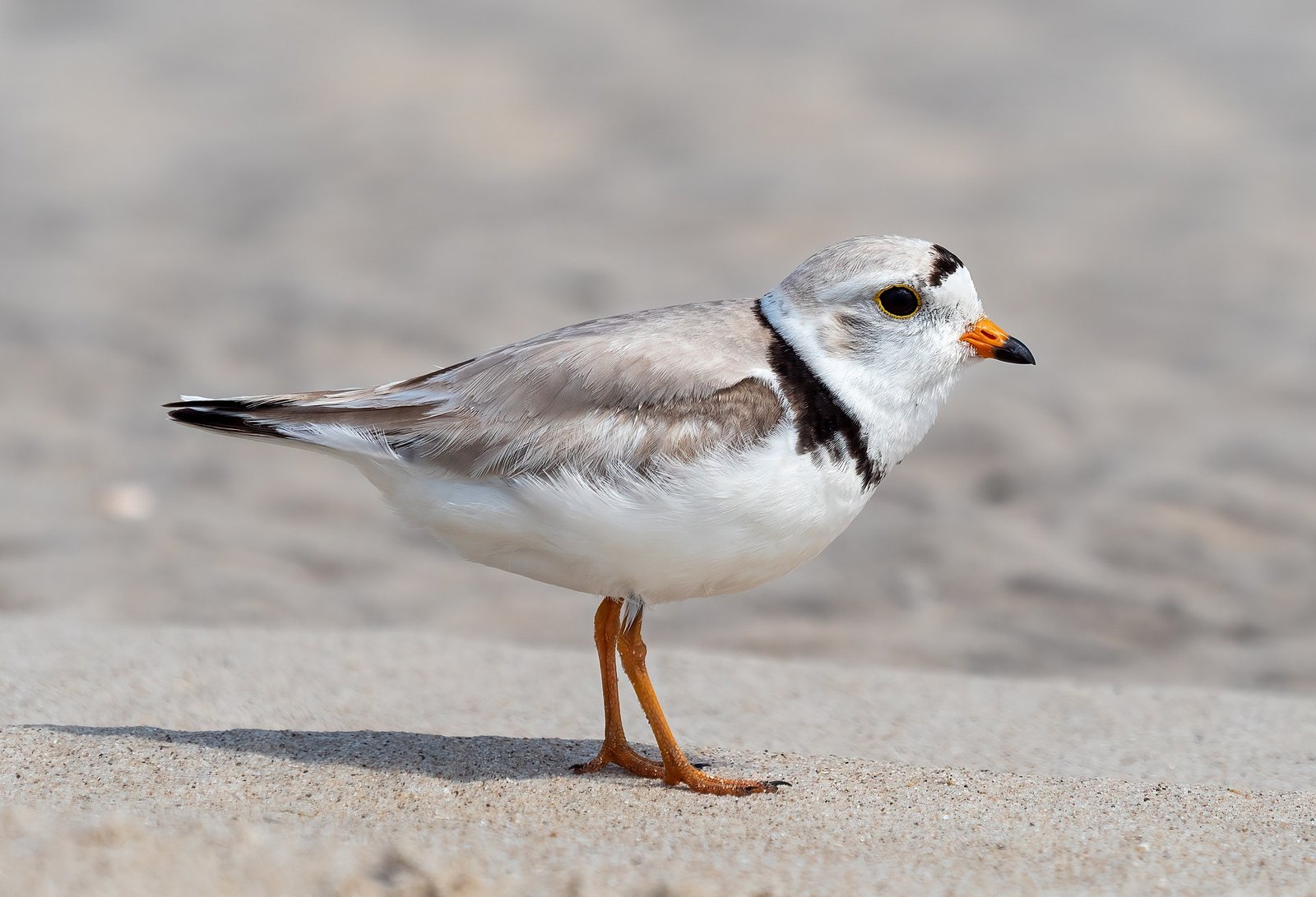
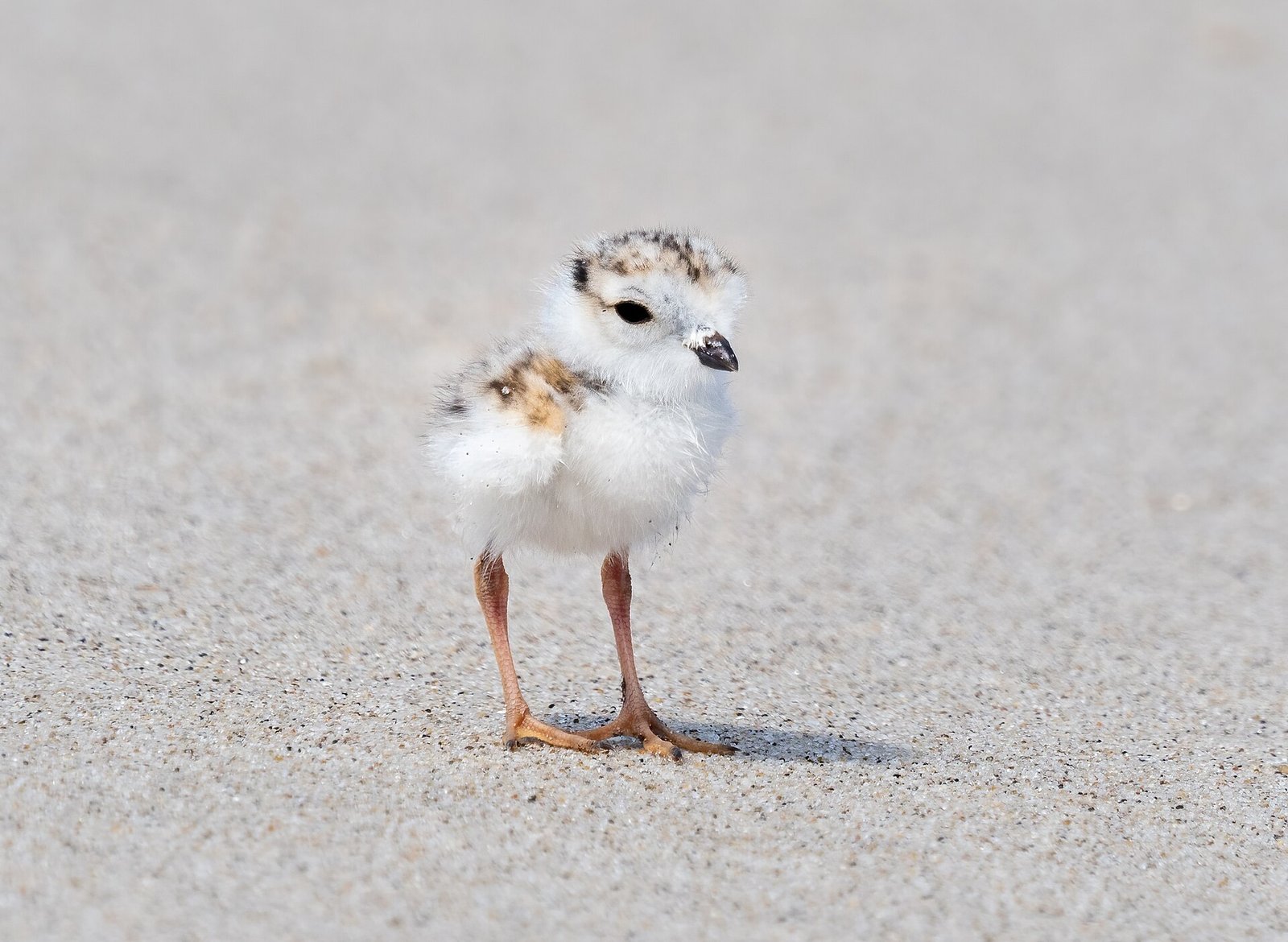
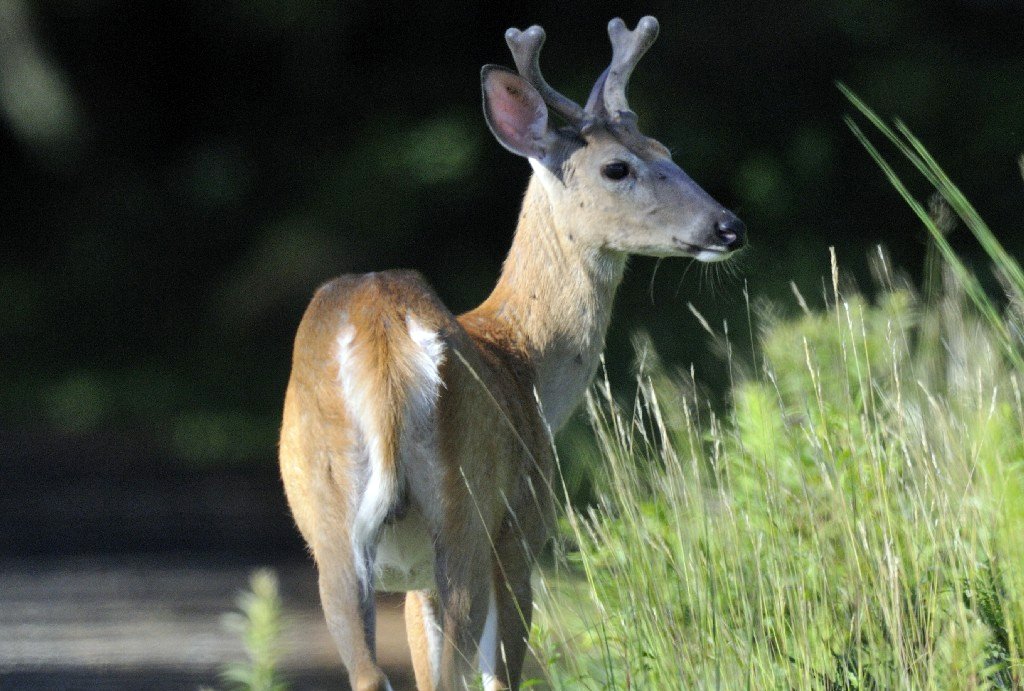
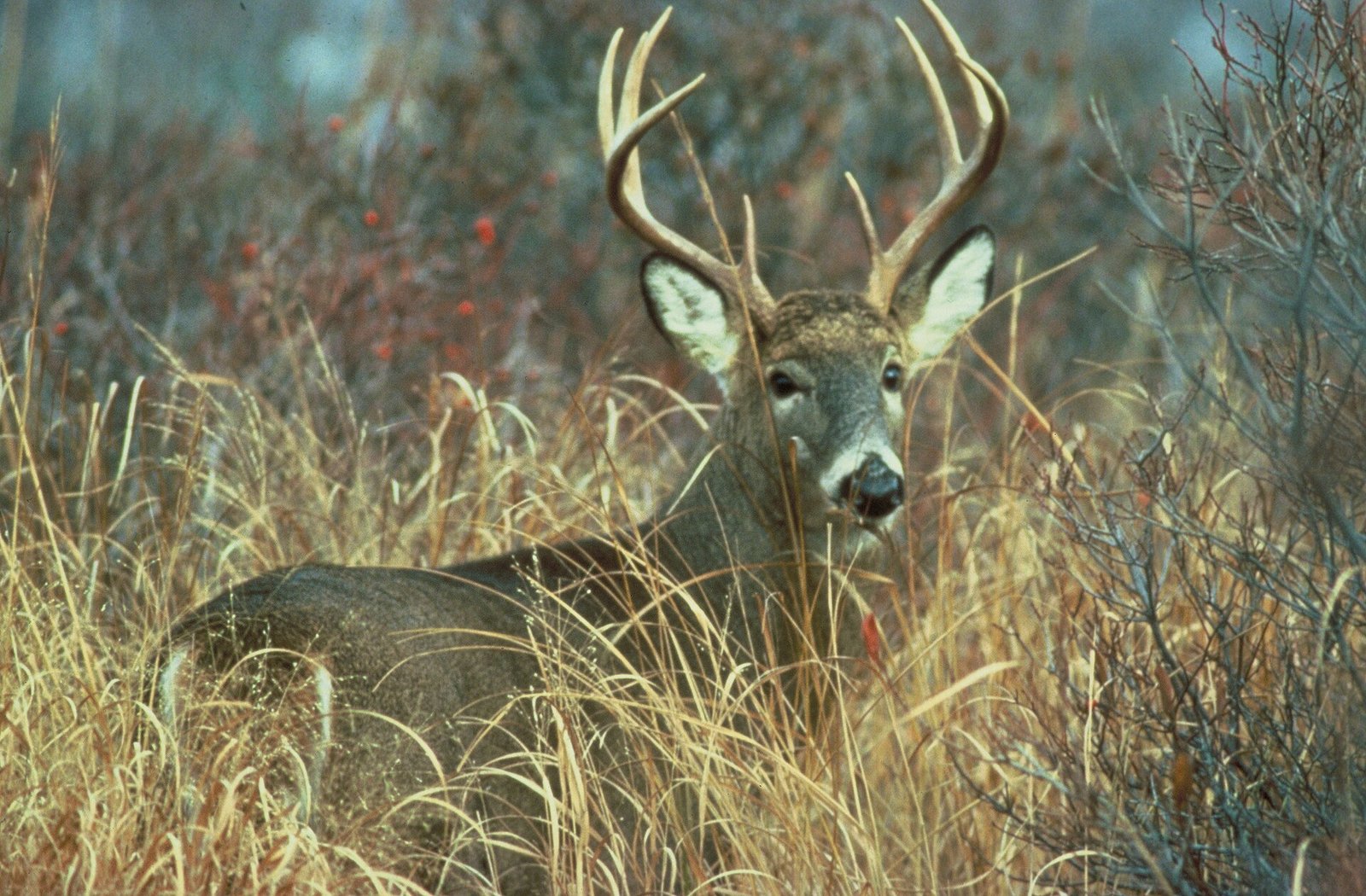
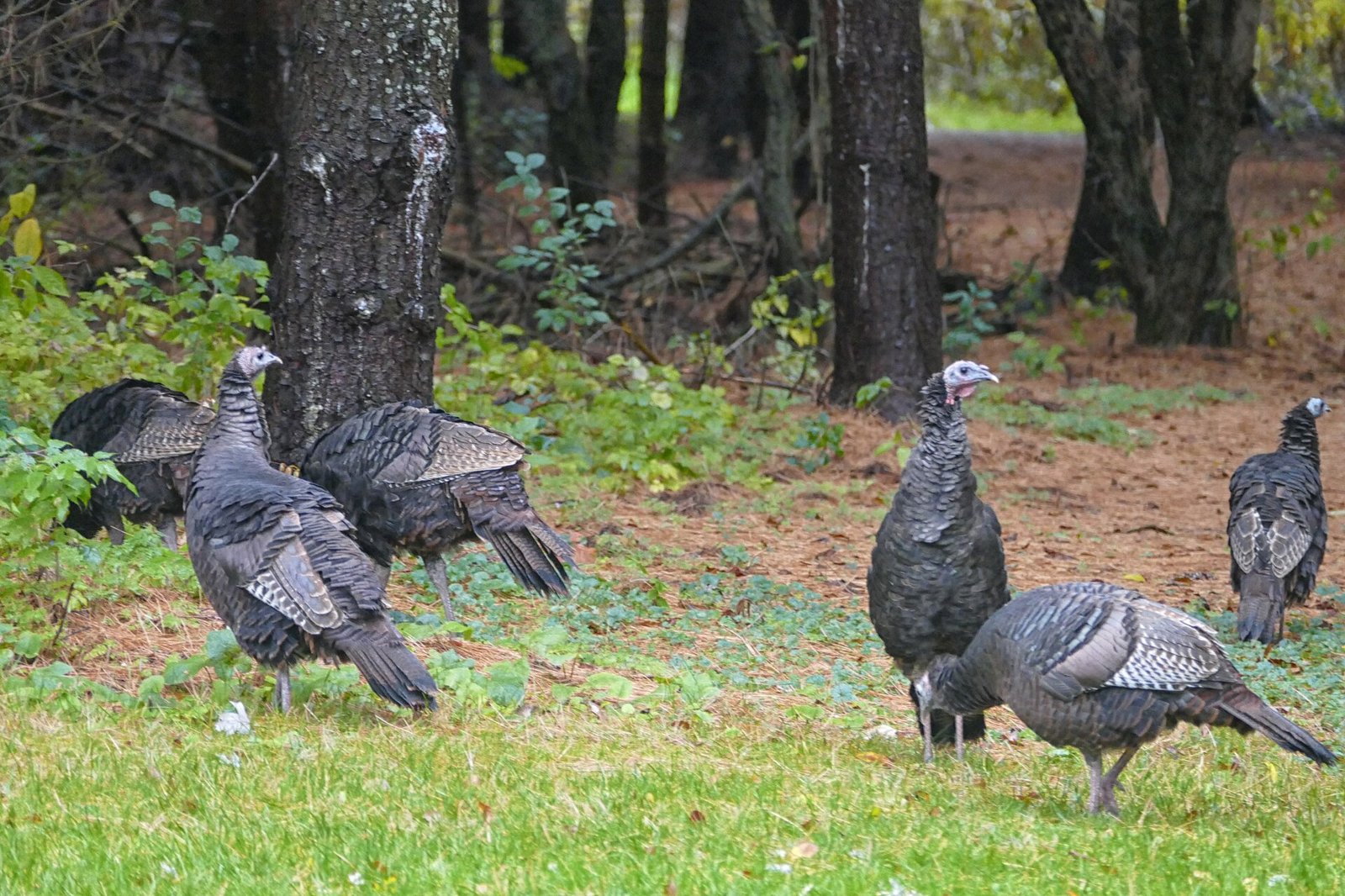
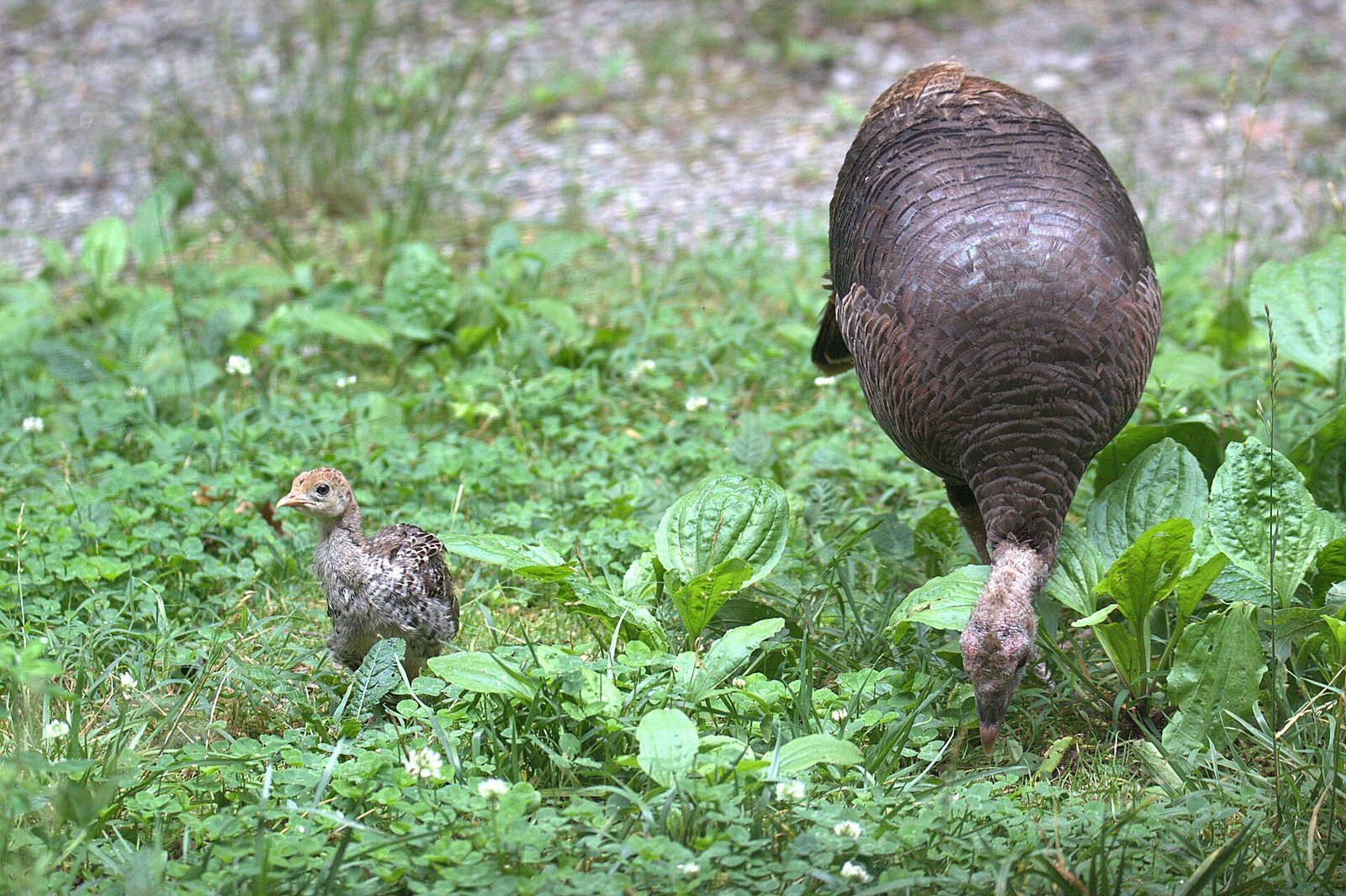
This is protected ground — open space held for its wildlife, in the tradition set before us. Swans raise their cygnets on the water. Great blue herons and snowy egrets wade the shallows, and out on the barrier beach nests the piping plover — the Vineyard's most carefully guarded little shorebird. White-tailed deer slip through the oaks at dawn, and every June a hen turkey parades her new brood across the grass. And above it all return the ospreys: the great fish hawks of the Vineyard, who come home to this water every spring and raise their young through the summer.

Beside 12 Trapps Pond lies a private bird preserve — yet another layer of protected land that buffers the enclave, holds the shoreline wild, and gives these birds the quiet they have always known here.

A clutch of swan cygnets on the water
A great blue heron wading the shallows
A snowy egret hunting in still water
A piping plover on the sand
A piping plover chick
A white-tailed buck at the edge of the woods
A buck in the autumn brush
A family of wild turkeys moving through the oak woods
A wild turkey hen with her poult

Season after season, we have watched them come close — unafraid, familiar, landing near us as though to say this is our home too, and we will share it with you. That trust, built over generations of birds, is the truest thing about this place. It is theirs first. Now it is ours to share, gently, together.

The osprey returns to the same nest each spring, for a lifetime.

In Tribute
Gus Ben David
The Vineyard's Naturalist · d. July 2024

The osprey's return to Martha's Vineyard is the life's work of one man. Gus Ben David — the island's beloved naturalist and the first director of the Felix Neck Wildlife Sanctuary — spent more than half a century restoring these birds. Beginning in 1972, he and an all-volunteer crew raised nesting poles across the Vineyard and brought the osprey back from a single nesting pair to more than a hundred.

The osprey pole that stands at the heart of this land — here on Trapps Pond, now Osprey Point — Gus raised with his own hands. He passed in the summer of 2024. We could not let his gift go unmarked.

A Living Tribute
Osprey Point is named not for a man, but for the birds he brought to this water — under his guidance, and his dream. Without Gus, there would be no Osprey Point. And so a plaque will rest upon the pole he raised, that all who come to know these birds will know the man behind them.
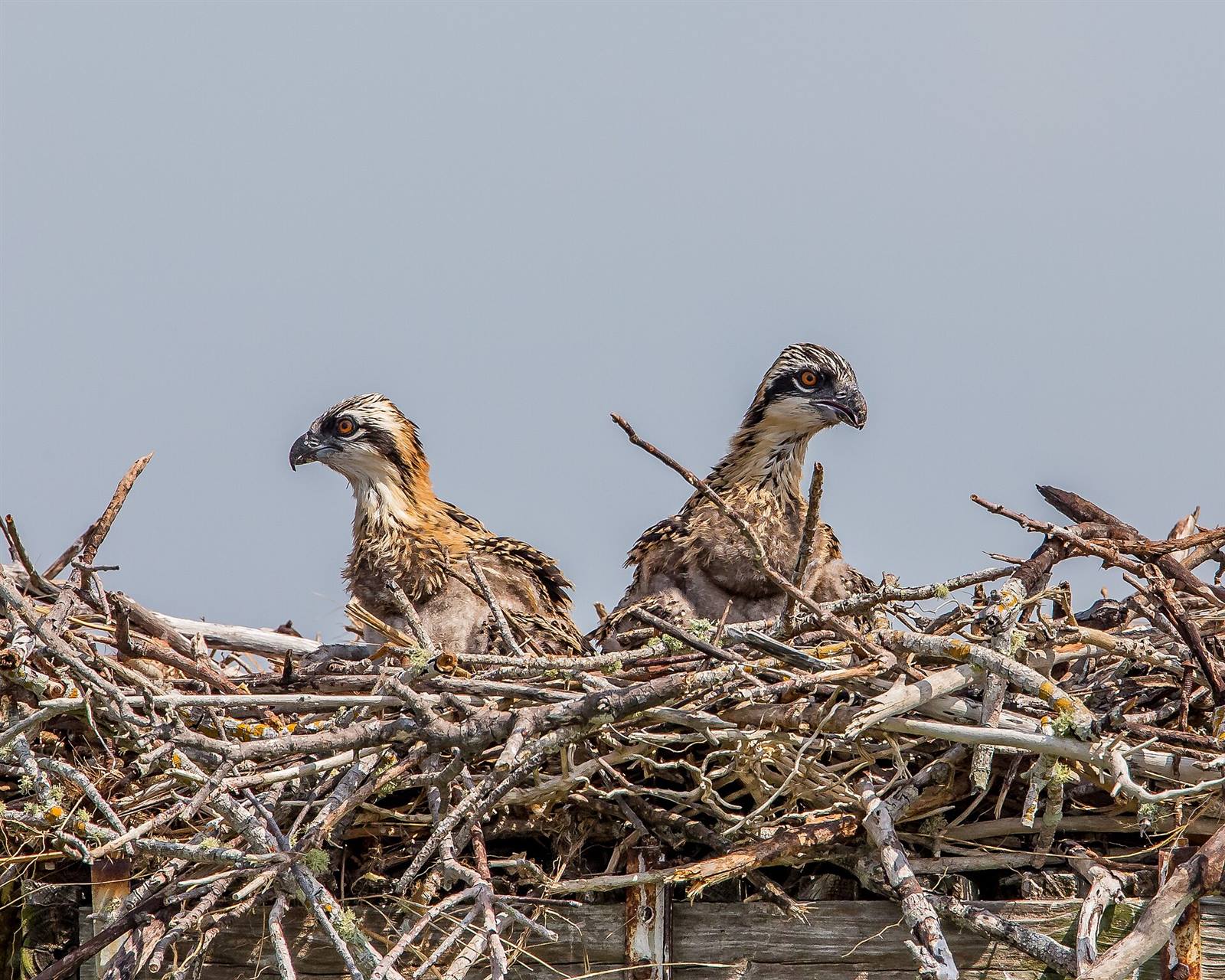
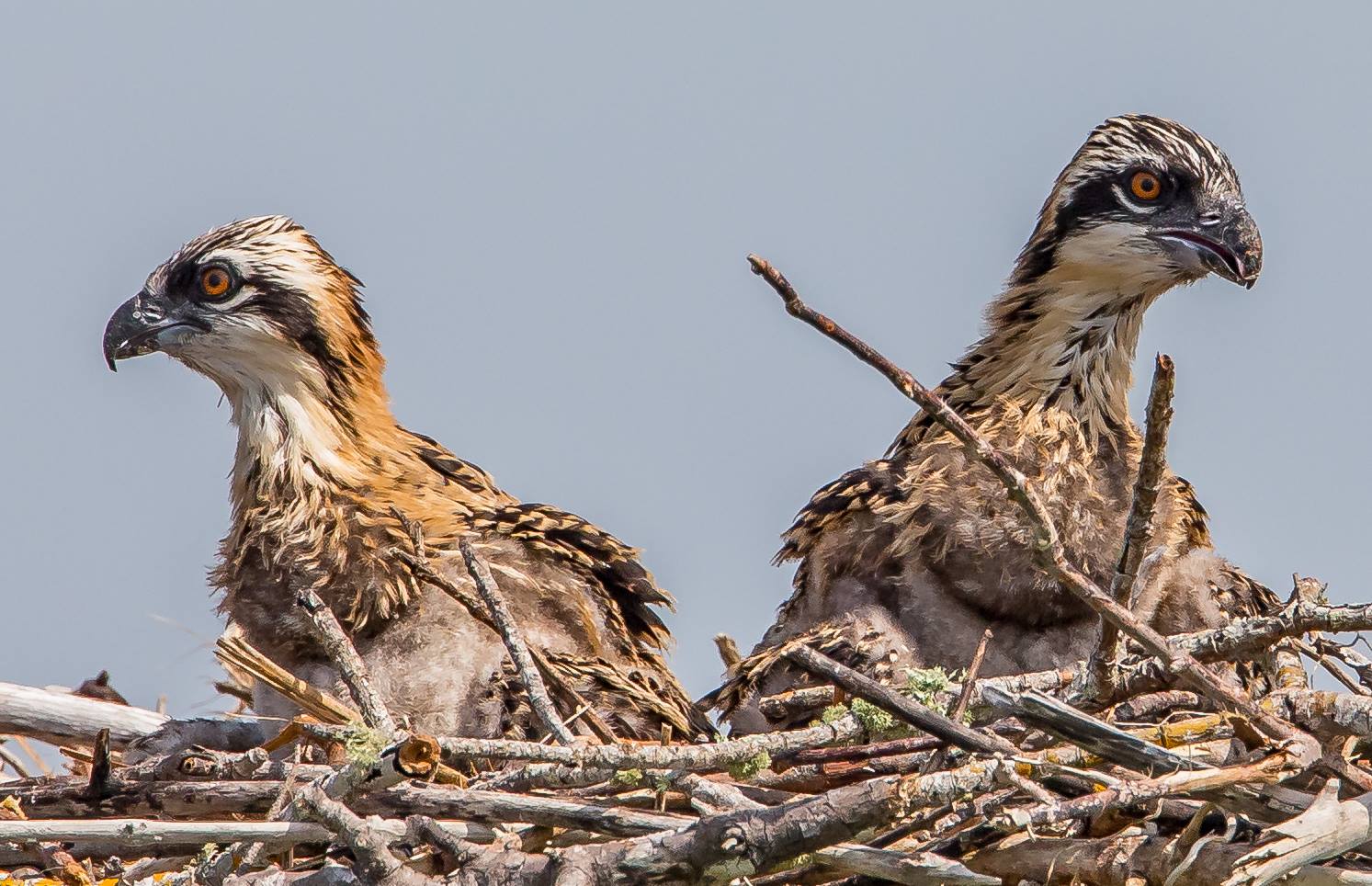
Osprey chicks in the nest
New chicks in the nest — a generation Gus made possible.
Generations

Each spring they return. Each summer, the island gathers to watch the young grow, test their wings, and take to the sky. The ospreys here know the water, and they have come to know the family who lives beside it — as they will come to know whoever calls this home next.

To own here is to inherit something rare: not only a home, but a place the island itself has chosen — and the quiet honor of becoming its steward, alongside the swans, the herons, and the birds who were here first.

Osprey in flight
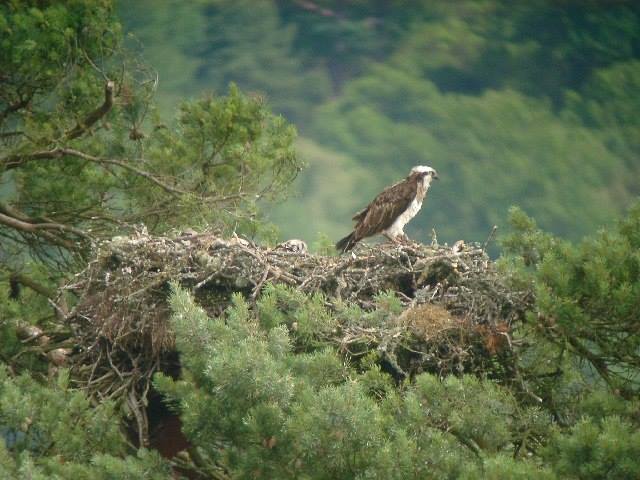
Osprey at the nest
Osprey feeding its young
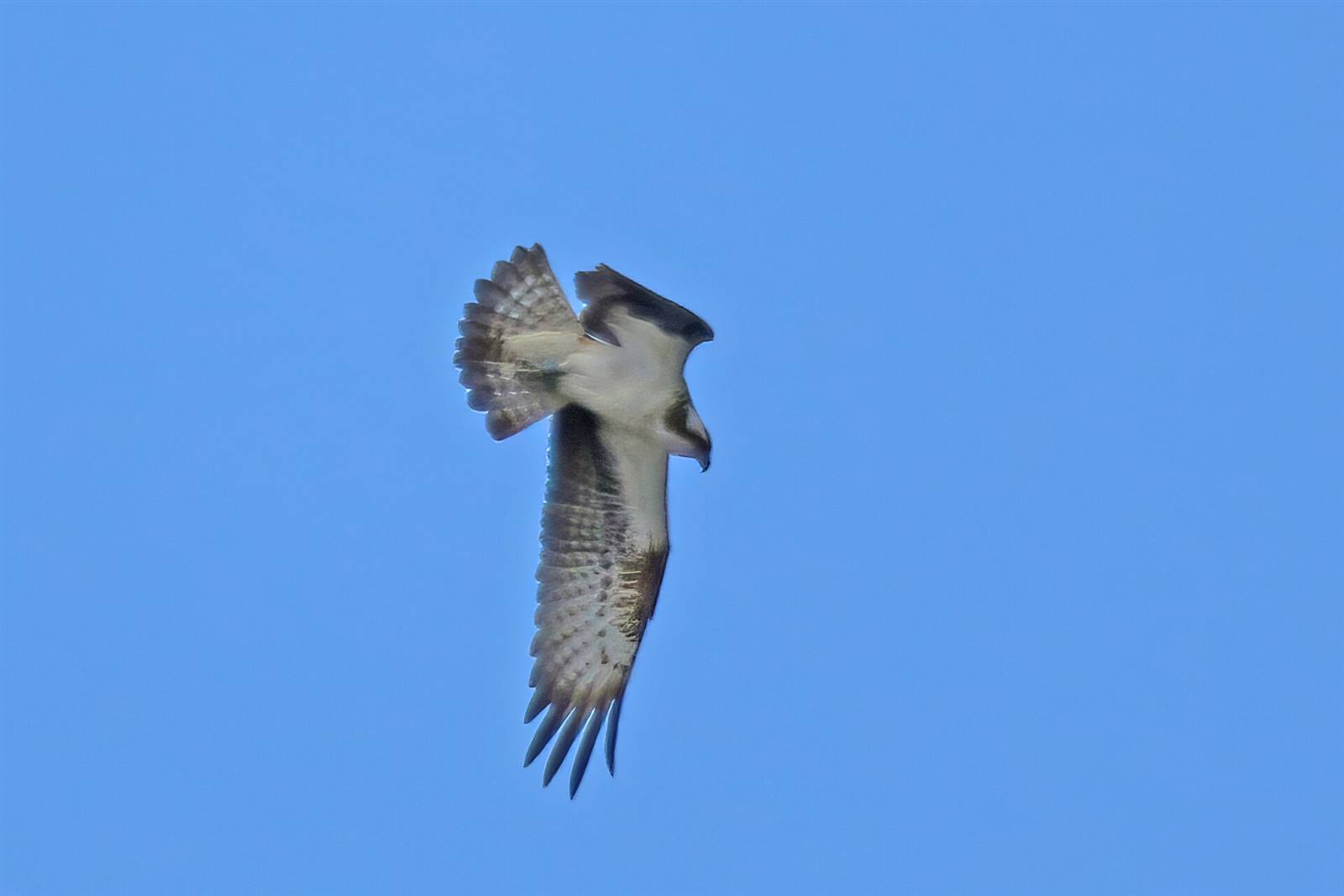
Osprey soaring over the water
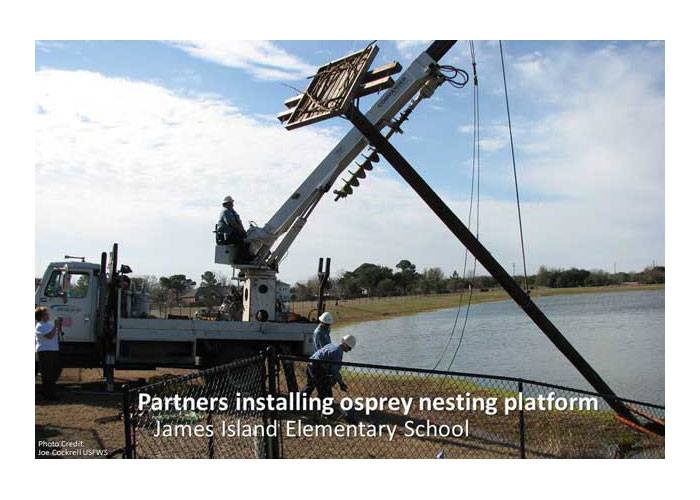
Osprey nesting platform against the sky
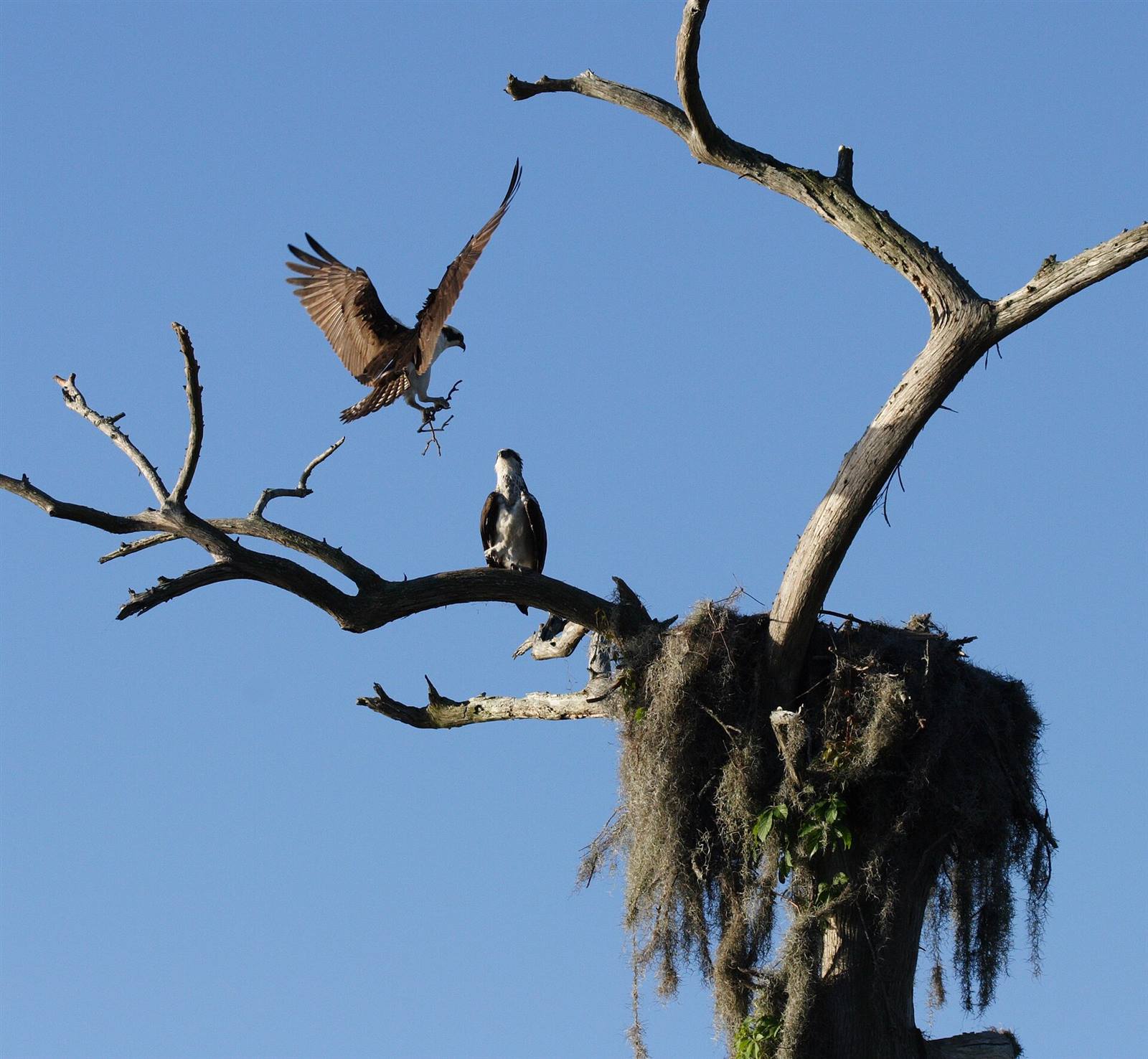
Osprey returning to the nest with a branch
Its Own Name

The Vineyard has always kept its finest addresses behind quiet gates. The Field Club. The farm and preserve associations. The private enclaves of Katama and Cow Bay. Each one succeeded the same way — by being private, and by being worth it.

Osprey Point stands in that company, and apart from it. It is not a club you join, and not a corner of someone else's neighborhood. It is its own ground: four estates on their own water, insulated on every side by land that can never be built, a bird preserve for a neighbor, and the village five minutes from the gate.

Not a footnote in the island's story — its own staple in it. The neighborhoods that define Martha's Vineyard were each, once, exactly where Osprey Point stands today: new ground, quietly claimed by the people who saw it first.

This is Osprey Point.

Luxury · Privacy · A Whisper of Wealth

Come home to Osprey Point.

A place on the island you don't simply own — you share it, gently, with everything that already belongs here.

View the Houses